Psychology
15 Great Career Options for B.Sc Psychology Graduates
Experts at Rishihood University in Haryana shares 15 great career and job opportunities after B.Sc Psychology degree that offers wide range of career options
24 February 2025
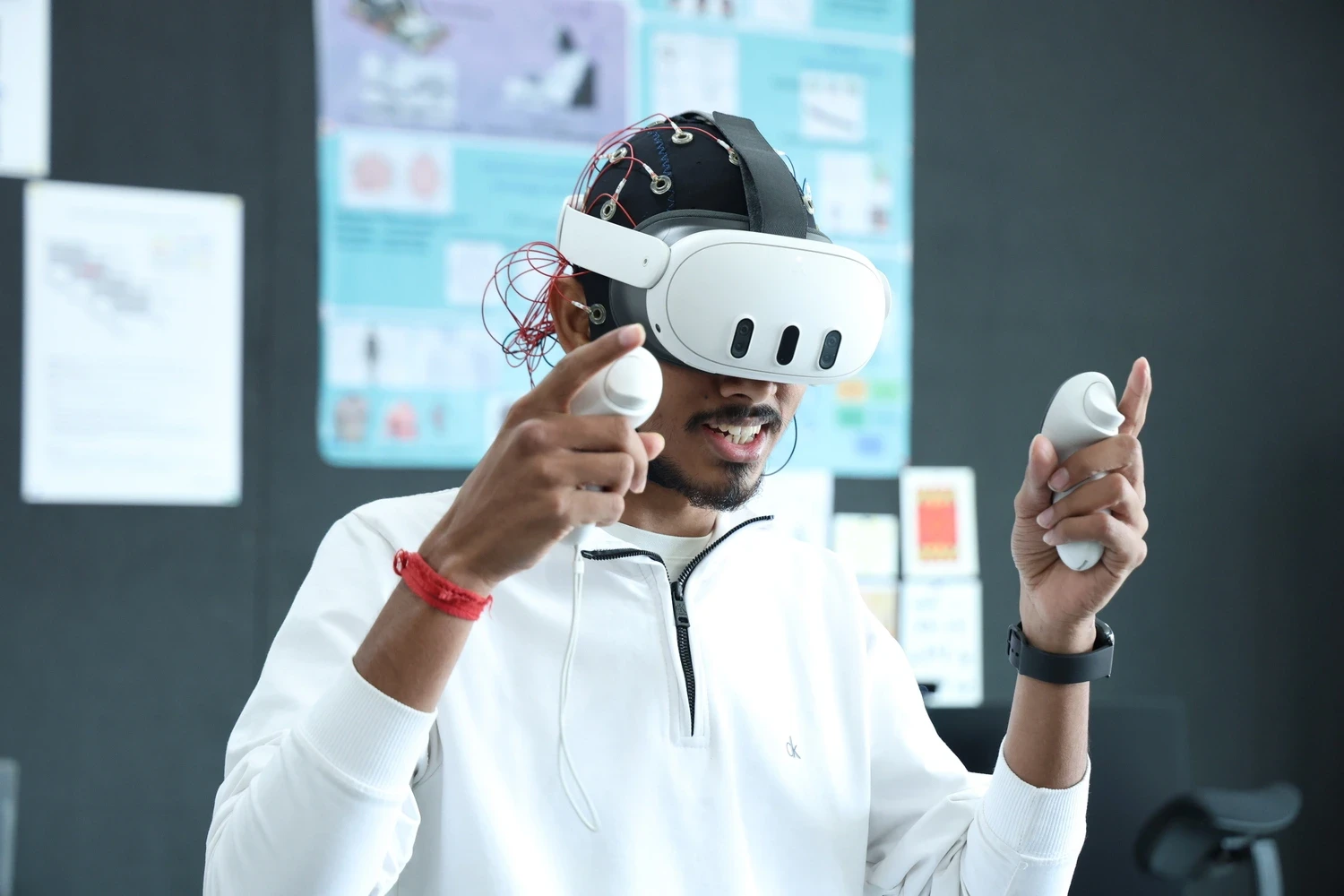
Table of Contents
Introduction
A degree in psychology opens the door to a wide range of career opportunities. Psychology graduates possess valuable skills such as critical thinking, communication, empathy, and research expertise, which are highly sought after in various industries. Whether you’re passionate about helping others, conducting research, or applying psychological principles in the workplace, there’s a career path for you. Here are 7 psychology jobs and roles you can consider after completing your degree:
1. Clinical Psychologist
Clinical psychologists specialize in diagnosing and treating a range of mental health issues, including anxiety, depression, trauma, and severe psychiatric disorders. They use evidence-based therapeutic approaches such as Cognitive Behavioral Therapy (CBT), psychodynamic therapy, or family systems therapy. Their goal is to help individuals achieve better mental health and improve their overall well-being.
Work Environments: Hospitals, mental health clinics, private practices, rehabilitation centers, and community health organizations.
Requirements: A master’s or doctoral degree in clinical psychology and state or national licensure. Many clinical psychologists also pursue internships and supervised training to gain hands-on experience.
Skills Needed: Empathy and emotional intelligence to understand client struggles, active listening to build trust, and strong analytical skills to create effective treatment plans.
2. Counseling Psychologist
Counseling psychologists assist individuals with personal and interpersonal challenges such as stress management, relationship issues, grief, and career decisions. Their work often emphasizes fostering self-awareness and building coping mechanisms. They aim to improve clients’ quality of life through short-term and long-term counseling strategies.
Work Environments: Schools, colleges, private practices, community centers, and corporate wellness programs
Requirements: A bachelor’s Degree in Psychology is a bare minimum.
Skills Needed: Exceptional interpersonal skills to connect with clients, emotional intelligence to navigate sensitive conversations, and problem-solving abilities to develop actionable strategies for clients.
3. Industrial-Organizational Psychologist
Industrial-Organizational (I-O) psychologists apply psychological theories and practices to optimize workplace environments. They focus on improving employee satisfaction, productivity, and leadership development while addressing organizational challenges like conflict resolution and team dynamics. Their insights often guide corporate strategies, hiring processes, and training programs.
Work Environments: Human resources departments, consulting firms, corporate offices, and research organizations.
Requirements: A master’s degree in I-O psychology is the standard requirement, but obtaining a Ph.D. can open doors to leadership and research positions.
Skills Needed: Analytical thinking to assess workplace dynamics, leadership skills for guiding organizational changes, and strong communication to convey findings and recommendations effectively.
4. School Psychologist
School psychologists focus on the academic, social, and emotional well-being of students. They collaborate with teachers, parents, and administrators to create supportive learning environments and address challenges like learning disabilities, behavioral problems, and bullying. They may also design intervention programs to help students thrive.
Work Environments: Schools, colleges, educational institutions, and special education programs.
Requirements: A master’s or specialist degree in school psychology, along with state certification or licensure. Some roles may require completing an internship in an educational setting.
Skills Needed: Patience to work with children and adolescents, problem-solving skills to create effective interventions, and collaboration abilities to engage with educators and families.
5. Forensic Psychologist
Forensic psychologists merge psychology with the legal system, helping to understand the psychological aspects of criminal behavior. Their work includes assessing offenders, providing expert testimony in court, and advising law enforcement on criminal profiling and rehabilitation strategies.
Work Environments: Law enforcement agencies, legal firms, correctional facilities, and government organizations.
Requirements: A master’s or doctoral degree in forensic psychology, coupled with specialized training in legal procedures and ethics.
Skills Needed: Attention to detail for legal documentation, critical thinking to analyze complex cases, and ethical judgment to navigate sensitive situations.
6. Research Psychologist
Research psychologists focus on studying human behavior, cognition, emotions, and social interactions. Their work often contributes to scientific advancements in psychology, shaping policies, and improving therapeutic methods. They conduct experiments, analyze data, and publish findings in academic journals.
Work Environments: Universities, research institutions, government agencies, and think tanks.
Requirements: A Ph.D. in psychology is usually required for independent research positions. Research psychologists also need a strong background in statistics and experimental design.
Skills Needed: Data analysis to interpret research findings, critical thinking to formulate hypotheses, and scientific writing to communicate results effectively.
7. Career Counselor
Career counselors guide individuals in making informed decisions about their education, career paths, and job opportunities. They assess skills, interests, and values to help clients navigate career transitions and achieve professional goals.
Work Environments: Educational institutions, career development centers, and corporate training programs.
Requirements: A master’s degree in counseling or career guidance and certifications in psychometric assessments or career coaching.
Skills Needed: Empathy to understand client aspirations, communication to explain options clearly, and career planning expertise to match clients with suitable opportunities.
Alternative Career Paths for Psychology Graduates
A psychology degree equips graduates with a versatile skill set that extends far beyond traditional roles. These skills, including critical thinking, interpersonal communication, and behavioral analysis, make psychology graduates highly valuable in diverse industries. Here are some alternative career paths that utilize psychological expertise:
1. Behavioral Data Analyst
With the rise of data-driven decision-making, companies value professionals who can analyze human behavior through data. Behavioral data analysts interpret patterns in consumer or employee behavior to optimize marketing strategies, user experiences, or workplace productivity.
Work Environments: Tech companies, marketing agencies, and consulting firms.
Requirements: A bachelor’s or master’s degree in psychology, with additional training in data analysis or statistics.
Skills Needed: Proficiency in statistical tools (e.g., SPSS, R, Python), attention to detail, and critical thinking.
2. Neuropsychological Technician
Neuropsychological technicians work alongside neuropsychologists to assess cognitive functions and brain behavior relationships. This role often involves administering tests to individuals recovering from brain injuries or dealing with neurological disorders.
Work Environments: Hospitals, rehabilitation centers, and research facilities.
Requirements: A bachelor’s degree in psychology with a focus on neuropsychology or cognitive sciences.
Skills Needed: Patience, knowledge of testing protocols, and understanding of neurological disorders.
3. Market Research Specialist
Market research specialists apply psychological principles to understand consumer behavior and preferences. By analyzing buying habits and conducting surveys, they help businesses tailor their products and services to meet customer needs.
Work Environments: Advertising firms, product development companies, and market research agencies.
Requirements: A bachelor’s degree in psychology and experience with survey design or focus groups.
Skills Needed: Research design, analytical thinking, and effective communication.
4. Community Program Coordinators
Community program coordinators design and implement initiatives to address mental health, education, or social welfare challenges. They work closely with community leaders and organizations to improve the well-being of local populations.
Work Environments: Nonprofits, government agencies, and community organizations.
Requirements: A degree in psychology, often with a focus on community or social psychology.
Skills Needed: Strong organizational skills, leadership, and cultural sensitivity.
5. Psychometrician
Psychometricians specialize in designing, administering, and analyzing psychological assessments. Their work is essential in education, recruitment, and healthcare, where accurate measurement of mental abilities or traits is critical.
Work Environments: Educational institutions, testing companies, and corporate HR departments.
Requirements: A degree in psychology with additional coursework in psychometrics or statistics.
Skills Needed: Advanced statistical knowledge, problem-solving abilities, and test development expertise.
6. Rehabilitation Specialist
Rehabilitation specialists assist individuals recovering from physical injuries, mental health challenges, or substance abuse issues. They create personalized plans to help clients regain independence and improve their quality of life.
Work Environments: Rehabilitation centers, hospitals, and private practices.
Requirements: A degree in psychology and relevant certification in rehabilitation or counseling.
Skills Needed: Empathy, adaptability, and goal-setting expertise.
7. Corporate Wellness Consultant
Corporate wellness consultants design and implement programs that enhance employee well-being. Their initiatives address stress management, work-life balance, and mental health, boosting employee satisfaction and productivity.
Work Environments: Corporations, HR consulting firms, and wellness organizations.
Requirements: A psychology degree with experience or training in workplace wellness programs.
Skills Needed: Understanding of organizational behavior, program development, and communication.
8. Child Development Specialistt
Child development specialists focus on understanding and supporting the emotional, social, and cognitive growth of children. They work closely with families, educators, and healthcare professionals to create nurturing environments.
Work Environments: Early childhood education centers, pediatric healthcare facilities, and family counseling agencies.
Requirements: A degree in psychology with a focus on child development or developmental psychology.
Skills Needed: Patience, observational skills, and knowledge of developmental milesto
The Role of Education in Shaping Psychology Careers
A strong academic foundation is vital for thriving in this field. Choosing the right psychology course equips students with the theoretical knowledge and practical skills needed to excel in their careers. Interdisciplinary programs that merge psychology with neuroscience, technology, and business are particularly valuable, as they prepare students for diverse and future-ready roles.
Rishihood University’s Psychology 2.0 Program: Redefining Learning and Career Readiness
Rishihood University offers a groundbreaking B.Sc Psychology program that blends industry relevance, academic rigor, and career-focused training. Branded as “Psychology 2.0,” this program reimagines psychological education to meet the needs of a rapidly changing world. Here’s why it stands out:
Key Features of the Psychology 2.0 Program:
Research-Driven Learning: Students receive an INR 1 lakh research grant starting in the first semester, empowering them to explore innovative ideas during internships and field research.
Human Augmentation Lab: This state-of-the-art facility combines engineering, neuroscience, medicine, and psychology to develop cutting-edge solutions for individuals with disabilities or medical conditions. Students gain hands-on experience with Brain-Computer Interfaces (BCI), neuroanalysis, and performance psychology.
Interdisciplinary Focus: The program integrates psychology with minors in fields such as entrepreneurship, computer science, and business administration. This versatility enhances employability across industries.
Paid Internships and Industrial Exposure: Students participate in two paid internships, gaining real-world experience and building professional networks for future psychology job opportunities.
Comprehensive Skill Development: With access to tools like Canva, Adobe, AR/VR, and premium subscriptions to platforms like Notion and Udemy, students are equipped with the technological expertise to complement their psychological knowledge.
A Unique Learning Environment: Rishihood University’s program emphasizes experiential learning through:
Workshops on topics like yoga, design thinking, and branding.
Electives such as product management, film and literature, and game theory.
Industry visits to hospitals, old age homes, and AR/VR labs.
Collaborative projects and masterclasses with over 50 mentors.
Students also graduate with an Apple MacBook, which serves as a portable lab for exploring ideas and conducting research at no extra cost.