Design
How to Pursue Fashion Designing Courses After 12th in India?
College Admission Guide 2025: The blog explains How to Pursue Fashion Designing Undergraduate Courses after 12th at top colleges in India
11 January 2025
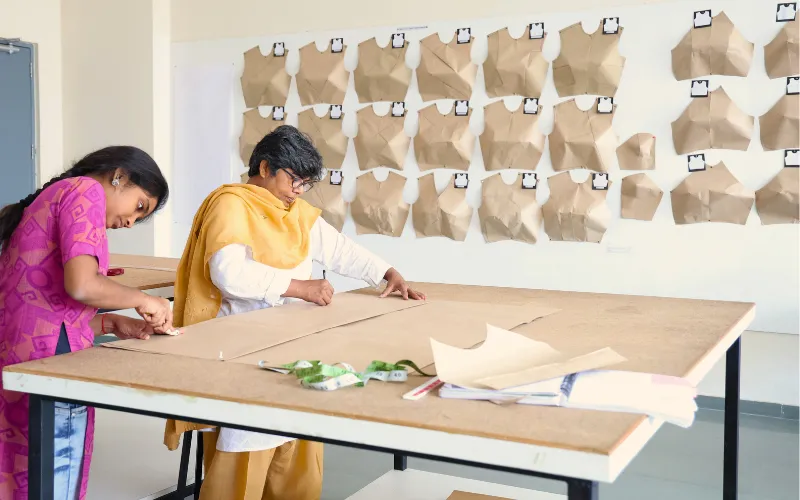
Table of Contents
Fashion design is more than just creating beautiful garments; it’s about blending artistry, innovation, and functionality. For students who’ve completed their 12th and dream of a creative career, pursuing fashion designing courses after 12th seems like the logical step. However, while this path is rewarding, the design world offers far more expansive opportunities. At RU’s School of Design, for instance, programs like User Experience and Interaction Design (UXID) and Lifestyle Design go beyond conventional fashion courses, integrating creativity with real-world problem-solving.
This guide unpacks how students can pursue a fashion designing course, while also exploring why their creative journey shouldn’t stop at traditional boundaries.
Understanding Fashion Designing Courses After Class 12
Fashion designing courses primarily focus on equipping students with the skills to design apparel, accessories, and textiles. They cover everything from understanding materials to mastering garment construction and developing a keen sense of style. Many institutions in India offer Bachelor of Design (B.Des) in Fashion Design, which is a comprehensive undergraduate program.
Core Components of a Fashion Designing Course
Practical Learning
Workshops, internships, and live projects that immerse students in the real-world challenges of the industry.
Core Areas
Textile technology, pattern making, and fashion illustration.
Creative Development
Building a personal design philosophy and honing artistic skills.
Cost of Fashion Designing Course
The fashion designer course fee varies based on the institution. Government colleges like NIFT may charge around ₹1-1.5 lakh annually, while private institutions often charge between ₹3-5 lakhs per year.
While these courses are excellent for giving wings and avenues to creativity, it’s important to recognize that fashion is part of a larger design ecosystem.
Why Fashion is Just the Beginning: Exploring UXID and Lifestyle Design
The design industry has evolved dramatically, with fields like UXID and Lifestyle Design emerging as transformative domains. At RU’s School of Design, students have the unique opportunity to delve into these broader areas, where fashion intersects with technology, culture, and functionality.
UXID: Where Creativity Meets Technology
User Experience and Interaction Design (UXID) focuses on creating intuitive, user-friendly digital and physical interfaces. Whether it’s designing an app, a wearable device, or an interactive retail experience, UXID combines technical knowledge with aesthetic sensibility.
Fashion in UXID: From wearable technology to digital fashion experiences, fashion becomes a component of a user-centered design process.
Career Prospects: UX/UI designers, product developers, and creative technologists.
Lifestyle Design: A Holistic Creative Field
Lifestyle Design bridges the gap between fashion, culture, and human behavior. It involves designing products and experiences that enhance daily living, whether through sustainable fashion, modular furniture, or eco-friendly spaces.
Fashion in Lifestyle Design: Crafting textiles, designing functional yet stylish homeware, or integrating sustainability into apparel.
Career Prospects: Lifestyle product designers, trend forecasters, and creative consultants.
How to Choose the Right Path After 12th
Deciding on a program is more than just picking a popular course. It’s about aligning your aspirations with the right discipline, whether it’s b design in fashion design, UXID, or Lifestyle Design. Here are some steps to guide you:
1. Understand Your Interests
While fashion is appealing, ask yourself:
Are you intrigued by how people interact with digital tools?
Do you want to create solutions that merge functionality with aesthetics?
If your answer leans toward a broader creative pursuit, consider fields like UXID or Lifestyle Design.
2. Research Institutes
Institutes like NIFT, NID, or even Rishihood University’s School of Design offer courses tailored to both fashion and broader design fields. Explore their offerings to see which aligns best with your goals.
3. Focus on Creativity, Not Just Degrees
A degree in design is valuable, but success depends on how well you can think outside the box. Programs at RU emphasize nurturing creativity across disciplines, preparing students to tackle real-world challenges.
Admission Process: Getting Started
Entrance Exams
Most institutes require candidates to clear entrance exams like NID DAT, NIFT Entrance Test, or institute-specific assessments. These tests often include:
Creative Aptitude: Evaluating artistic and innovative thinking.
General Ability: Assessing analytical skills and design awareness.
Portfolio Preparation
A strong portfolio showcasing diverse projects can significantly enhance your admission chances. Include:
Fashion sketches
Concept designs
UX/UI prototypes or lifestyle product ideas
Financial Planning
Budget for tuition, materials, and other expenses. Scholarships and financial aid can help offset costs. Institutions like RU also offer financial assistance based on merit or need.
Building Skills for a Design Career
Developing skills for a successful design career involves a multifaceted approach that goes beyond traditional learning. As a creative, it’s your job to try, hit, and miss, and hit again. An artist’s skills aren’t honed in the way most others are. Life, its vagaries, emotions, justice, injustice, the calling, the need to express, and of course, the satisfaction with the outcome: all of this, and so much more go into the making and unmaking of the artist. Here’s how aspiring designers can lay their foundation:
Hone Your Artistic Abilities
A designer’s journey begins with strong artistic skills. Start with sketching and drawing, which are fundamental to translating ideas into visuals. Take the time to learn digital tools like Adobe Illustrator, Figma, Sketch, and Procreate, which are essential in today’s design landscape. Experiment with various mediums to find your unique artistic voice while staying adaptable to diverse creative demands. These skills serve as the core whether you’re designing garments, interfaces, or lifestyle products.
Gain Practical Experience
Hands-on experience is a cornerstone of design education. Seek internships or participate in workshops that span fields like fashion, UXID, or lifestyle design. Working on real-world projects will help bridge the gap between theory and practice, offering insights into production workflows, client interactions, and market demands. For instance, a project in fashion may involve learning about fabrics and stitching techniques, while UXID projects could teach user research and interface prototyping. These experiences not only refine technical skills but also build confidence and professional networks.
Explore Cross-Disciplinary Opportunities
Design today is a melting pot of disciplines. A minor in fashion design can complement a major in UXID or Lifestyle by broadening one’s perspective. For example, understanding human behavior in UXID enhances a designer’s ability to create user-centric fashion collections. Similarly, lifestyle design projects can teach sustainability practices that are vital in modern fashion. Recognizing these overlaps enriches creativity and equips designers to adapt to various roles within the industry.
Stay Inspired and Informed
The design industry is dynamic, with trends evolving rapidly. Stay updated by following global design trends, attending exhibitions like Milan Design Week, or participating in fashion shows and tech expos. Online platforms like Behance, Dribbble, and Pinterest are treasure troves for inspiration, showcasing innovative work from designers worldwide. Learning from industry leaders through their blogs, masterclasses, or interviews can also spark fresh ideas and provide valuable insights into their creative processes.
Keep Building Your Portfolio
A compelling portfolio is a designer’s gateway to opportunities. Include diverse projects that reflect your skills and creativity. But honestly, even if you showcase the work you aren’t too chuffed about: you can certainly show your own growth graph. For a balanced representation, showcase a mix of academic work, personal projects, and professional assignments. Highlight your thought process through mood boards, prototypes, and finished pieces. A well-crafted portfolio not only demonstrates your abilities but also tells a story about your design philosophy.
Keep Learning… and Unlearning
The design world thrives on innovation, making continuous learning a necessity. Dive deeper into specialized areas, whether it’s textile innovation in fashion or augmented reality in UXID. Enroll in short-term courses or certifications to stay ahead. For instance, learning about sustainability practices can make your designs eco-friendly, aligning with the industry’s growing emphasis on responsible design.
Network Does (kind of) Mean Net Worth
Collaborations and connections play a vital role in building a career in design. Attend workshops, seminars, and industry events to meet peers and professionals. Networking can lead to mentorship opportunities, internships, or even collaborations on creative projects. Engaging with the design community fosters growth, opening doors to diverse perspectives and new opportunities.
Why Choose RU’s School of Design?
RU’s School of Design stands out by offering a comprehensive approach to creativity. Rather than limiting students to traditional pathways, the school encourages exploration across multiple disciplines, ensuring students graduate as versatile and innovative designers.
Key Highlights
Interdisciplinary Approach
Combining fashion, UXID, and Lifestyle Design.
Industry Exposure
Live projects, internships, and global collaborations.
Focus on Innovation
Preparing students to think critically and solve real-world challenges.
Embrace Your ‘Self’, Your Creativity Will Follow
Pursuing fashion designing courses after 12th is a fantastic starting point, but it’s only one piece of the puzzle. Creativity knows no boundaries, and the design world offers limitless possibilities. As an artist, you are privileged in this regard, for even these boundaries can be reset by you, and how you perceive your own self in that vision. By considering broader fields like UXID and Lifestyle Design, students can find outlets that resonate with their passion and drive.
At RU’s School of Design, the emphasis isn’t just on earning a degree; it’s about unlocking potential, nurturing innovation, and equipping students to shape the future of design. Whether your journey begins with fashion or ventures into interdisciplinary fields, remember: it’s your creativity that will define your success