
International Journal of Advances into Design and Innovation.

An international, double-blind peer-reviewed, open-access journal published biannually by the School of Design, Rishihood University.
International Journal of Advances into Design and Innovation.
An international, double-blind peer-reviewed, open-access journal published biannually by the School of Design, Rishihood University.
About The Journal
IJADI publishes evidence-based design scholarship that advances design theory, methods, and practice, especially where design intersects with emerging technologies, human experience, and societal impact.
2+
Issues Live
14+
Articles Published
6+
Faculty Editors
About The Journal
IJADI publishes evidence-based design scholarship that advances design theory, methods, and practice, especially where design intersects with emerging technologies, human experience, and societal impact.
2+
Issues Live
14+
Articles Published
6+
Faculty Editors
Abstracts in our journal
Dr. Sushma Srivastava
Ar. Bindu Malhotra,
Dr. Rajesh Kumar Mehta and Er. Pavan Vishwakarma
Dr. Brijesh Kumar and Ms. Kuljeet Kaur
Prof. (Ar.) Pramod Kumar Jain
Prof. Somen Chakraborty, Dr. R. N. Malviya and R. K. Bhardwaj
Priya S. Dev, P. Ilango, J.O.JerydaGnanajaneEljo
Rajni Jindal, Dr. Javed Khan and Dr. Projes Roy
Abstracts in our journal
Dr. Sushma Srivastava
Ar. Bindu Malhotra,
Dr. Rajesh Kumar Mehta and Er. Pavan Vishwakarma
Dr. Brijesh Kumar and Ms. Kuljeet Kaur
Prof. (Ar.) Pramod Kumar Jain
Prof. Somen Chakraborty, Dr. R. N. Malviya and R. K. Bhardwaj
Priya S. Dev, P. Ilango, J.O.JerydaGnanajaneEljo
Rajni Jindal, Dr. Javed Khan and Dr. Projes Roy
About us
The International Journal of Advances in Design and Innovation (IJADI) advances evidence-based design scholarship that connects research with real-world application. We bridge theory and practice, situate global design discourse within India and Global South contexts, and examine technology through measurable human and ethical impact.
Rooted in the vision of Design India and aligned with national priorities such as Make in India, IJADI builds responsible, inclusive, and scalable design capacity
Editorial Pillars
Design for Human Development
Rigorously evaluated UX and service design for public systems, accessibility in low-infrastructure contexts, and measurable digital wellbeing interventions.
Design-Led Innovation
Empirical research on product and systems design, HMI safety, sustainable manufacturability, and evaluated AI-assisted design workflows.
Culturally Intelligent Design
Evidence-based research on craft digitization, immersive heritage experiences, and cross-cultural design cognition grounded in Indian contexts.
About us
The International Journal of Advances in Design and Innovation (IJADI) advances evidence-based design scholarship that connects research with real-world application. We bridge theory and practice, situate global design discourse within India and Global South contexts, and examine technology through measurable human and ethical impact.
Rooted in the vision of Design India and aligned with national priorities such as Make in India, IJADI builds responsible, inclusive, and scalable design capacity
Editorial Pillars
Design for Human Development
Rigorously evaluated UX and service design for public systems, accessibility in low-infrastructure contexts, and measurable digital wellbeing interventions.
Design-Led Innovation
Empirical research on product and systems design, HMI safety, sustainable manufacturability, and evaluated AI-assisted design workflows.
Culturally Intelligent Design
Evidence-based research on craft digitization, immersive heritage experiences, and cross-cultural design cognition grounded in Indian contexts.
Details of IJADI
Year of Inception:
2023
Periodicity:
Bi-annual
Language:
English
Format:
Print and Online
ISSN:
2584-1203 (Print)
RNI Registration No.
HARENG/2023/85342
Details of IJADI
Year of Inception:
2023
Periodicity:
Bi-annual
Language:
English
Format:
Print and Online
ISSN:
2584-1203 (Print)
RNI Registration No.
HARENG/2023/85342
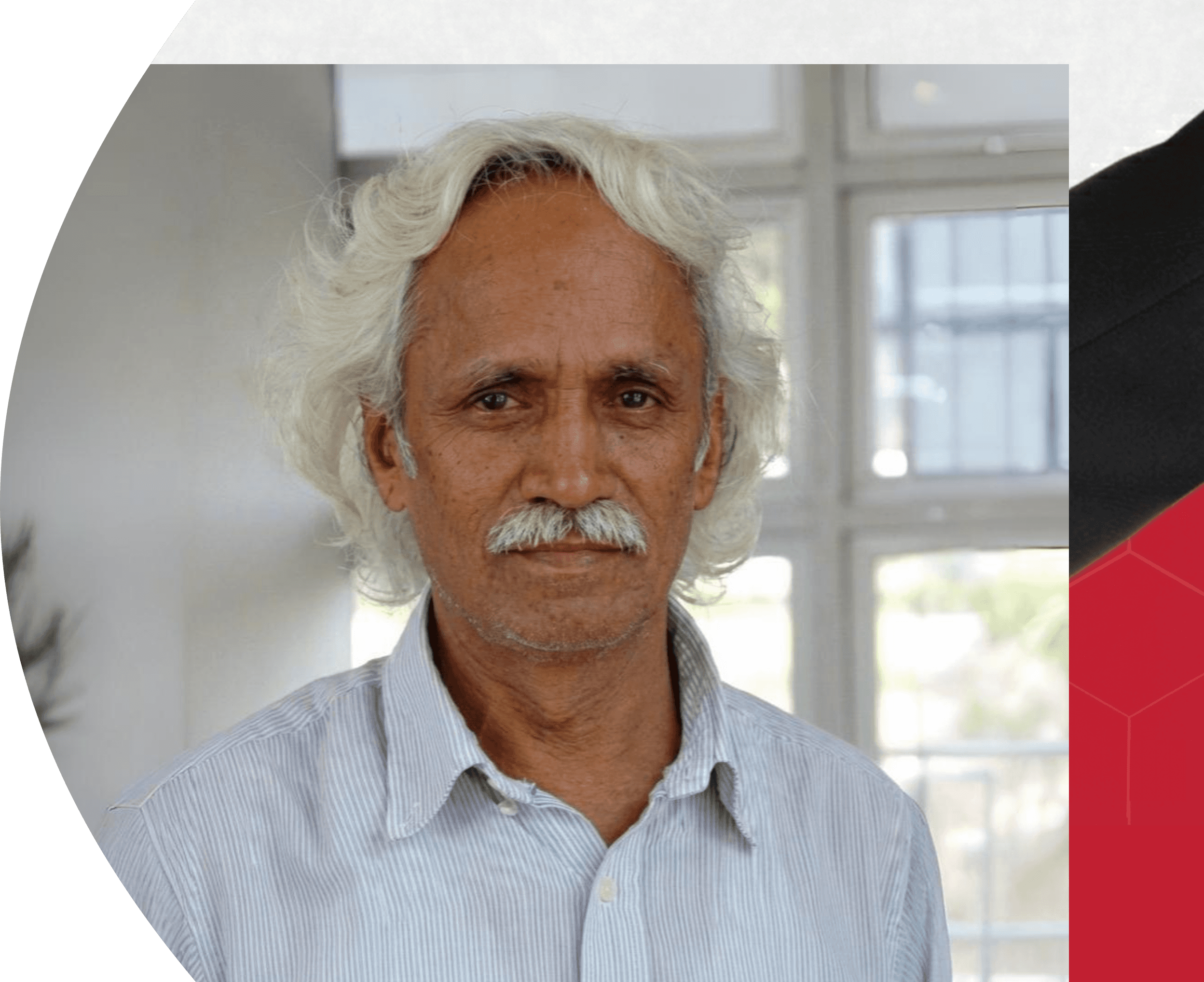
From the desk of
Editor
in chief
View Note
From the desk of
Editor
in chief
View Note

Aim and Scope
IJADI welcomes original research, review papers, methodological contributions, and evidence-based practice studies in the following areas:

Human–AI collaboration in design
Comparative studies of AI-augmented ideation vs human-only workflows Creativity/quality metrics, novelty, bias, authorship, and agency analyses AI in design education: learning outcomes, assessment integrity, pedagogy
Creativity/quality metrics, novelty, bias, authorship, and agency analyses
AI in design education: learning outcomes, assessment integrity, pedagogy

Human–machine interaction and adaptive interfaces

Generative and agentic systems in real workflows

Immersive, interactive, and multimodal experience design

Human-centered and ethical design systems
Human–AI collaboration in design
Comparative studies of AI-augmented ideation vs human-only workflows
Creativity/quality metrics, novelty, bias, authorship, and agency analyses
AI in design education: learning outcomes, assessment integrity, pedagogy
Human–machine interaction and adaptive interfaces
Safety, workload, trust, explainability, and error recovery in interactive systems
Adaptive interfaces evaluated for performance and accessibility
Domain contexts: mobility, healthcare, industrial tools, consumer ecosystems
Generative and agentic systems in real workflows
Agentic pipelines evaluated for reliability, traceability, and human oversight
Design systems + AI: governance, consistency, and failure modes
Reproducible protocols for evaluating generative outputs
Immersive, interactive, and multimodal experience design
VR/AR/XR experiences tested for cognition, behavior, training transfer, and inclusion
Multimodal interaction (speech, gesture, haptics) evaluated for usability and equity
Mixed reality in education, museums, therapy, or skill training—evidence required
Human-centered and ethical design systems
Responsible innovation: privacy, consent, fairness, accessibility, environmental
Socio-technical analysis: power, labor, creative ownership, platform governance
Design methods for anticipatory futures and risk assessment
Human–AI collaboration in design
Comparative studies of AI-augmented ideation vs human-only workflows
Creativity/quality metrics, novelty, bias, authorship, and agency analyses
AI in design education: learning outcomes, assessment integrity, pedagogy
Human–machine interaction and adaptive interfaces
Safety, workload, trust, explainability, and error recovery in interactive systems
Adaptive interfaces evaluated for performance and accessibility
Domain contexts: mobility, healthcare, industrial tools, consumer ecosystems
Generative and agentic systems in real workflows
Agentic pipelines evaluated for reliability, traceability, and human oversight
Design systems + AI: governance, consistency, and failure modes
Reproducible protocols for evaluating generative outputs
Immersive, interactive, and multimodal experience design
VR/AR/XR experiences tested for cognition, behavior, training transfer, and inclusion
Multimodal interaction (speech, gesture, haptics) evaluated for usability and equity
Mixed reality in education, museums, therapy, or skill training—evidence required
Human-centered and ethical design systems
Responsible innovation: privacy, consent, fairness, accessibility, environmental
Socio-technical analysis: power, labor, creative ownership, platform governance
Design methods for anticipatory futures and risk assessment
Human–AI collaboration in design
Comparative studies of AI-augmented ideation vs human-only workflows
Creativity/quality metrics, novelty, bias, authorship, and agency analyses
AI in design education: learning outcomes, assessment integrity, pedagogy
Human–machine interaction and adaptive interfaces
Safety, workload, trust, explainability, and error recovery in interactive systems
Adaptive interfaces evaluated for performance and accessibility
Domain contexts: mobility, healthcare, industrial tools, consumer ecosystems
Generative and agentic systems in real workflows
Agentic pipelines evaluated for reliability, traceability, and human oversight
Design systems + AI: governance, consistency, and failure modes
Reproducible protocols for evaluating generative outputs
Immersive, interactive, and multimodal experience design
VR/AR/XR experiences tested for cognition, behavior, training transfer, and inclusion
Multimodal interaction (speech, gesture, haptics) evaluated for usability and equity
Mixed reality in education, museums, therapy, or skill training—evidence required
Human-centered and ethical design systems
Responsible innovation: privacy, consent, fairness, accessibility, environmental
Socio-technical analysis: power, labor, creative ownership, platform governance
Design methods for anticipatory futures and risk assessment
Human–AI collaboration in design
Comparative studies of AI-augmented ideation vs human-only workflows
Creativity/quality metrics, novelty, bias, authorship, and agency analyses
AI in design education: learning outcomes, assessment integrity, pedagogy
Human–machine interaction and adaptive interfaces
Safety, workload, trust, explainability, and error recovery in interactive systems
Adaptive interfaces evaluated for performance and accessibility
Domain contexts: mobility, healthcare, industrial tools, consumer ecosystems
Generative and agentic systems in real workflows
Agentic pipelines evaluated for reliability, traceability, and human oversight
Design systems + AI: governance, consistency, and failure modes
Reproducible protocols for evaluating generative outputs
Immersive, interactive, and multimodal experience design
VR/AR/XR experiences tested for cognition, behavior, training transfer, and inclusion
Multimodal interaction (speech, gesture, haptics) evaluated for usability and equity
Mixed reality in education, museums, therapy, or skill training—evidence required
Human-centered and ethical design systems
Responsible innovation: privacy, consent, fairness, accessibility, environmental
Socio-technical analysis: power, labor, creative ownership, platform governance
Design methods for anticipatory futures and risk assessment
Call for Papers
THEME
This issue invites contributions that move beyond tool-centric narratives to examine how intelligent systems are transforming creative cognition, design workflows, user experience, and innovation ecosystems.
How does AI reshape authorship, creativity, and agency in design?
What new models of human–machine collaboration are emerging, and with what ethical implications?
How can design education and practice respond critically and constructively to AI-mediated futures?
INDICATIVE THEME
01
Human-Machine Interaction and Adaptive Interfaces
02
AI-Augmented Creativity and Education
03
Cultural, Historical, and Societal Perspectives on Intelligent Systems
04
Immersive Media and Multimodal Experiences
05
Explainable and
Ethical AI Systems
Call for Papers
THEME
This issue invites contributions that move beyond tool-centric narratives to examine how intelligent systems are transforming creative cognition, design workflows, user experience, and innovation ecosystems.
How does AI reshape authorship, creativity, and agency in design?
What new models of human–machine collaboration are emerging, and with what ethical implications?
How can design education and practice respond critically and constructively to AI-mediated futures?
INDICATIVE THEME
01
Human-Machine Interaction and Adaptive Interfaces
02
AI-Augmented Creativity and Education
03
Cultural, Historical, and Societal Perspectives on Intelligent Systems
04
Immersive Media and Multimodal Experiences
05
Explainable and
Ethical AI Systems
Submission Guidelines
Authors are invited to submit manuscripts, following the submission guidelines, that offer significant theoretical, methodological, or practical contributions to the field of design and innovation.
Peer Review Process
1
Initial Screening
All manuscripts undergo a double-blind peer review by an expert panel of reviewers.
2
Review & Decision
Constructive feedback is provided to ensure academic rigor, originality, and relevance, with the goal of publishing research that demonstrates both scholarly depth and societal impact.
Important Dates
Submissions Open:
Open Now
Submissions Deadline:
15th July, 2026
Publication Date:
31st August, 2026
Submit your paper
Submission Guidelines
Authors are invited to submit manuscripts, following the submission guidelines, that offer significant theoretical, methodological, or practical contributions to the field of design and innovation.
Peer Review Process
1
Initial Screening
All manuscripts undergo a double-blind peer review by an expert panel of reviewers.
2
Review & Decision
Constructive feedback is provided to ensure academic rigor, originality, and relevance, with the goal of publishing research that demonstrates both scholarly depth and societal impact.
Important Dates
Submissions Open:
Open Now
Submissions Deadline:
15th July, 2026
Publication Date:
31st August, 2026
Submit your paper
Meet Our Editorial Board Members

Mr. Sahil Aggarwal
Patron, CEO, Rishihood University

Professor Singanapalli Balaram
Editor-in-Chief

Prof. Pritam Lenka
Program Director & Associate Professor, School of Design, Rishihood University, Sonipat, Haryana

Dr. Greeshma Sharma
Editorial Office & Editorial Co-ordinator, Rishihood University

Prof. (Dr.) Amit Kumar Das
School of Design, Rishihood University, Sonipat, Haryana.

Prof. Vaibhav Sharma
Assistant Professor, School of Design, Rishihood University, Sonipat, Haryana

Prof. Faiyyaz Rashid Khan
Assistant Professor, School of Design Rishihood University, Sonipat, Haryana
Mr. Sahil Aggarwal
Patron, CEO, Rishihood University
Professor Singanapalli Balaram
Editor-in-Chief
Prof. Pritam Lenka
Program Director & Associate Professor, School of Design, Rishihood University, Sonipat, Haryana
Dr. Greeshma Sharma
Editorial Office & Editorial Co-ordinator, Rishihood University
Prof. (Dr.) Amit Kumar Das
School of Design, Rishihood University, Sonipat, Haryana.
Prof. Vaibhav Sharma
Assistant Professor, School of Design, Rishihood University, Sonipat, Haryana
Prof. Faiyyaz Rashid Khan
Assistant Professor, School of Design Rishihood University, Sonipat, Haryana
Mr. Sahil Aggarwal
Patron, CEO, Rishihood University
Professor Singanapalli Balaram
Editor-in-Chief
Prof. Pritam Lenka
Program Director & Associate Professor, School of Design, Rishihood University, Sonipat, Haryana
Dr. Greeshma Sharma
Editorial Office & Editorial Co-ordinator, Rishihood University
Prof. (Dr.) Amit Kumar Das
School of Design, Rishihood University, Sonipat, Haryana.
Prof. Vaibhav Sharma
Assistant Professor, School of Design, Rishihood University, Sonipat, Haryana
Prof. Faiyyaz Rashid Khan
Assistant Professor, School of Design Rishihood University, Sonipat, Haryana
Mr. Sahil Aggarwal
Patron, CEO, Rishihood University
Professor Singanapalli Balaram
Editor-in-Chief
Prof. Pritam Lenka
Program Director & Associate Professor, School of Design, Rishihood University, Sonipat, Haryana
Dr. Greeshma Sharma
Editorial Office & Editorial Co-ordinator, Rishihood University
Prof. (Dr.) Amit Kumar Das
School of Design, Rishihood University, Sonipat, Haryana.
Prof. Vaibhav Sharma
Assistant Professor, School of Design, Rishihood University, Sonipat, Haryana
Prof. Faiyyaz Rashid Khan
Assistant Professor, School of Design Rishihood University, Sonipat, Haryana
Meet Our Editorial Board Members
Mr. Sahil Aggarwal
Patron, CEO, Rishihood University
Professor Singanapalli Balaram
Editor-in-Chief
Prof. Pritam Lenka
Program Director & Associate Professor, School of Design, Rishihood University, Sonipat, Haryana
Dr. Greeshma Sharma
Editorial Office & Editorial Co-ordinator, Rishihood University
Prof. (Dr.) Amit Kumar Das
School of Design, Rishihood University, Sonipat, Haryana.
Prof. (Dr.) Amit Kumar Das
School of Design, Rishihood University, Sonipat, Haryana.
Prof. Vaibhav Sharma
Assistant Professor, School of Design, Rishihood University, Sonipat, Haryana
Prof. Faiyyaz Rashid Khan
Assistant Professor, School of Design Rishihood University, Sonipat, Haryana
Mr. Sahil Aggarwal
Patron, CEO, Rishihood University
Professor Singanapalli Balaram
Editor-in-Chief
Prof. Pritam Lenka
Program Director & Associate Professor, School of Design, Rishihood University, Sonipat, Haryana
Dr. Greeshma Sharma
Editorial Office & Editorial Co-ordinator, Rishihood University
Prof. (Dr.) Amit Kumar Das
School of Design, Rishihood University, Sonipat, Haryana.
Prof. (Dr.) Amit Kumar Das
School of Design, Rishihood University, Sonipat, Haryana.
Prof. Vaibhav Sharma
Assistant Professor, School of Design, Rishihood University, Sonipat, Haryana
Prof. Faiyyaz Rashid Khan
Assistant Professor, School of Design Rishihood University, Sonipat, Haryana
Mr. Sahil Aggarwal
Patron, CEO, Rishihood University
Professor Singanapalli Balaram
Editor-in-Chief
Prof. Pritam Lenka
Program Director & Associate Professor, School of Design, Rishihood University, Sonipat, Haryana
Dr. Greeshma Sharma
Editorial Office & Editorial Co-ordinator, Rishihood University
Prof. (Dr.) Amit Kumar Das
School of Design, Rishihood University, Sonipat, Haryana.
Prof. (Dr.) Amit Kumar Das
School of Design, Rishihood University, Sonipat, Haryana.
Prof. Vaibhav Sharma
Assistant Professor, School of Design, Rishihood University, Sonipat, Haryana
Prof. Faiyyaz Rashid Khan
Assistant Professor, School of Design Rishihood University, Sonipat, Haryana
Mr. Sahil Aggarwal
Patron, CEO, Rishihood University
Professor Singanapalli Balaram
Editor-in-Chief
Prof. Pritam Lenka
Program Director & Associate Professor, School of Design, Rishihood University, Sonipat, Haryana
Dr. Greeshma Sharma
Editorial Office & Editorial Co-ordinator, Rishihood University
Prof. (Dr.) Amit Kumar Das
School of Design, Rishihood University, Sonipat, Haryana.
Prof. (Dr.) Amit Kumar Das
School of Design, Rishihood University, Sonipat, Haryana.
Prof. Vaibhav Sharma
Assistant Professor, School of Design, Rishihood University, Sonipat, Haryana
Prof. Faiyyaz Rashid Khan
Assistant Professor, School of Design Rishihood University, Sonipat, Haryana

Contact Us
For submission-related queries and further information, please contact


व्यक्ति | विचार | व्यवस्था

NH-44 (GT Road), Delhi NCR, Sonipat, Haryana 131021
Rishihood University is established by Rishihood Foundation,
a non-profit company under Section 8 of the Companies Act, 2013. All Rights Reserved, 2025

व्यक्ति | विचार | व्यवस्था

NH-44 (GT Road), Delhi NCR, Sonipat, Haryana 131021
Rishihood University is established by Rishihood Foundation, a non-profit company under Section 8 of the Companies Act, 2013.
All Rights Reserved, 2025